21 Aug 2026
How Altitude Shapes Goaltender Stats and Shifts Live NHL Prop Markets
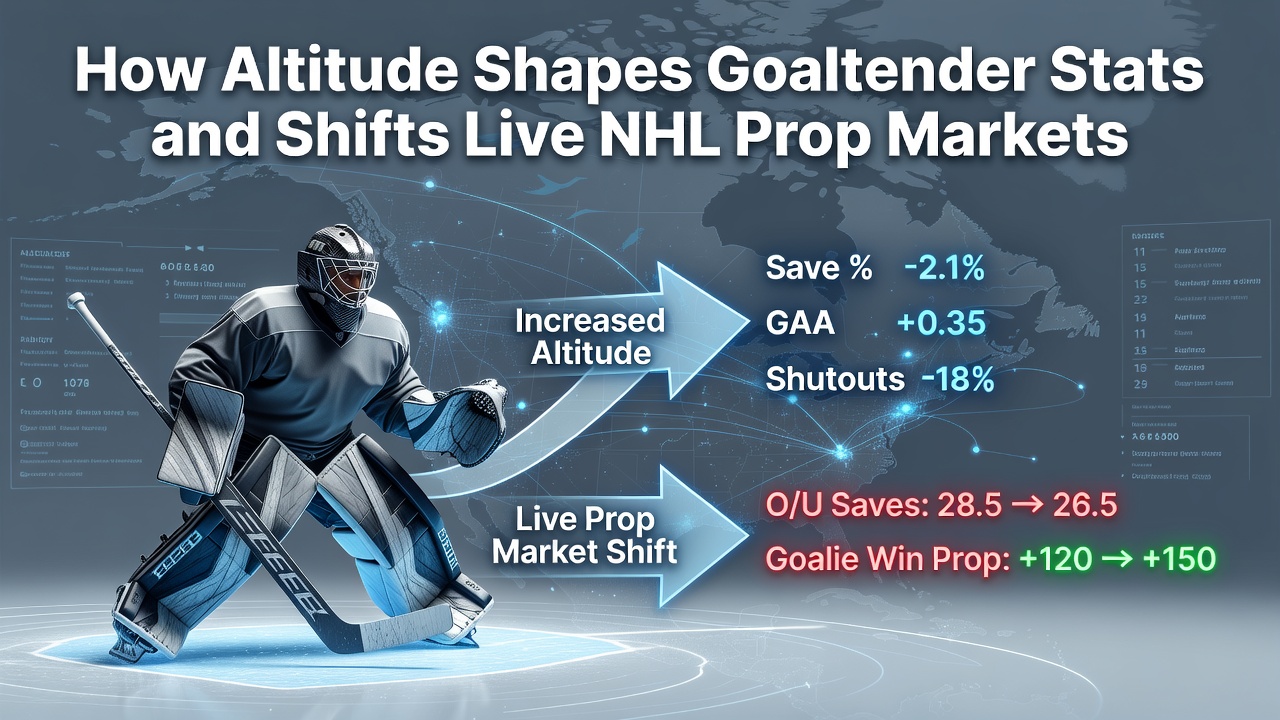
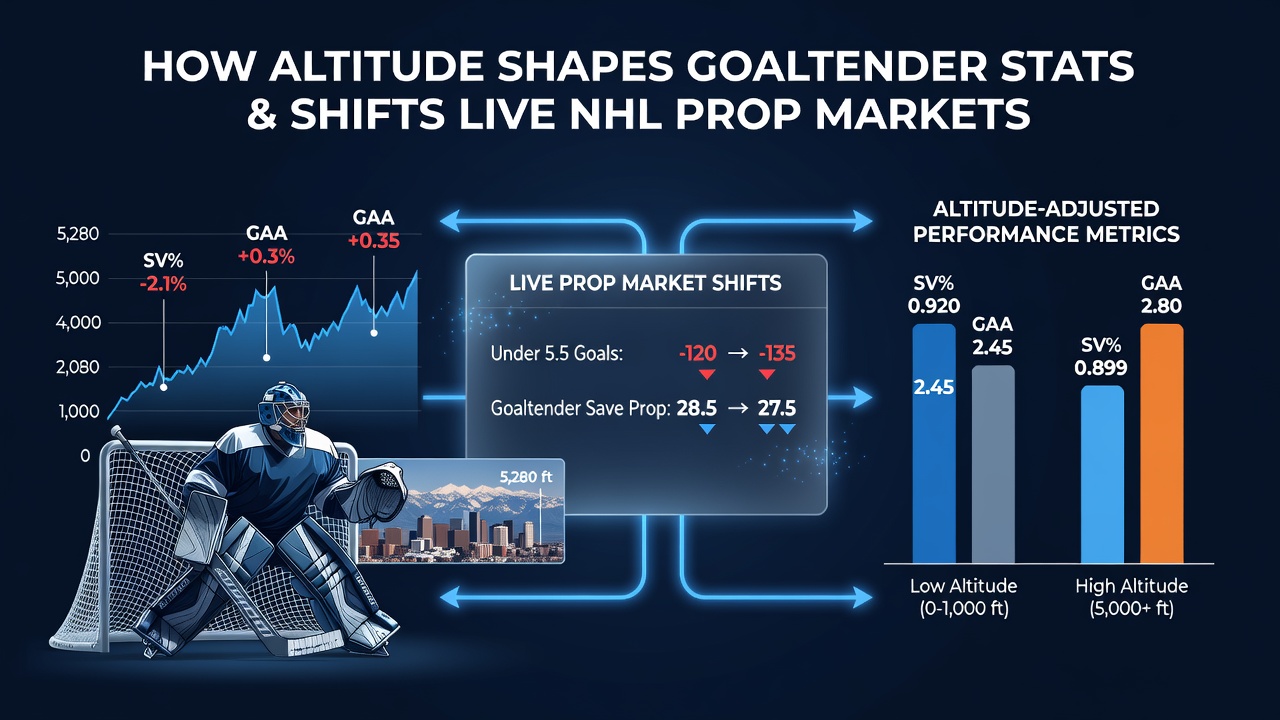
Altitude changes the physics of hockey in measurable ways, and nowhere does this show up more clearly than in goaltender performance and the live betting markets that track it. Teams like the Colorado Avalanche play their home games at Ball Arena, which sits at roughly 5,280 feet above sea level, where the air holds less oxygen and offers less resistance to a puck in flight. Researchers who have examined game data note that these conditions alter shot trajectories, puck speed, and player recovery times between shifts, which in turn affects the numbers goalies post in goals against average, save percentage, and shots faced per sixty minutes.
Physics of Thin Air and Puck Behavior
Lower air density at higher elevations reduces drag on the puck, allowing shots to travel faster and drop less than they would at sea level. Studies from sports science labs have measured differences in puck velocity that reach several miles per hour when comparing games in Denver to those in lower-lying arenas. Goaltenders must adjust their positioning and reaction windows accordingly, because what looks like a routine save at one rink can become a high-danger chance at another. Equipment also plays a role: heavier pads and masks retain more heat and moisture in thinner air, which some analysts link to slight changes in mobility during longer periods of play.
Statistical Patterns in Goaltender Records
League-wide data compiled over multiple seasons shows that visiting goalies in Denver often record save percentages several points lower than their season averages, while home goalies post numbers closer to or slightly above their norms. Researchers tracking these splits have found that goals against per game rise for both sides, yet the home netminder tends to benefit from familiarity with the conditions and from shorter recovery times between whistles. When the schedule moves to lower elevations the pattern reverses, with some goalies showing improved numbers on the road after a Denver trip because their bodies have adapted to the thinner air. Observers note that these shifts appear most pronounced in back-to-back situations or during the first period when players are still adjusting to the altitude.
Live Prop Market Adjustments
Betting platforms that offer live NHL props respond quickly to these altitude-driven trends. Markets on save percentage, shots on goal, and goals against update in real time as the game progresses, and oddsmakers incorporate venue data into their models before puck drop. When a game is scheduled in Denver, lines for visiting goalies often open with slightly higher implied totals for goals against, while overs on total saves can see increased activity from bettors who track historical splits. During the game itself, a quick flurry of shots or an early goal can trigger rapid line movement because traders know that recovery at altitude takes longer and that one bad sequence can compound. Data feeds from league sources feed these models continuously, allowing platforms to adjust probabilities within seconds of each whistle.
Seasonal Context and August 2026 Outlook
Training camps that opened in August 2026 placed renewed emphasis on altitude simulation for teams with upcoming road trips to Colorado. Strength and conditioning staffs used hypoxic tents and monitored heart-rate recovery to prepare netminders for the thinner air, and several clubs released notes on how these drills translated to preseason numbers. League schedules released earlier that summer showed the usual cluster of games in Denver during the first half of the season, giving analysts fresh data sets to compare against previous years. Those who follow prop markets closely watch these early contests because they often establish the baseline lines that sportsbooks will carry through the winter months.
Broader Factors That Interact with Altitude
Travel fatigue, ice quality, and referee tendencies also influence the same stats that altitude affects, so market makers layer multiple variables into their calculations. A goalie coming off a long flight into Denver may show elevated heart rates in the opening minutes, which correlates with slightly higher shot totals allowed before settling in. Ice surfaces in high-altitude arenas can play faster because of lower humidity, which again changes how quickly pucks reach the crease. Analysts who aggregate public data from league tracking systems have documented these interactions across dozens of games, and the resulting patterns appear in the live odds that update throughout each period.
Conclusion
Altitude remains a fixed variable that continues to shape goaltender statistics and the live prop markets built around them. As tracking technology improves and more granular data becomes available, the adjustments in those markets are expected to grow more precise while still reflecting the same core physical realities that have existed since NHL teams began playing at elevation.